


What Is a Matting System & Why You Need One

Table of Contents
When most people think about entry mats, they picture a single mat placed just inside the door. In reality, one mat often is not enough to fully protect your floors, improve safety, and create the kind of polished first impression you want visitors to have. That is where a matting system comes in.
A matting system is the strategic use of multiple mats in different areas of your entrance or facility to work together as one complete solution. Most commonly, that means placing one mat outside the door and another mat inside the entrance. The outdoor mat helps remove dirt, moisture, and debris before people step inside, while the indoor mat continues the cleaning process and adds a finished, professional look to the space.
For businesses, schools, churches, warehouses, and other commercial facilities, a matting system is one of the simplest ways to improve cleanliness, extend the life of your flooring, and make your entrance more welcoming.
________________________________________
TL;DR
- A matting system uses multiple mats together, usually outside and inside an entryway.
- Outdoor mats help remove dirt, debris, and moisture before it enters the building.
- Indoor mats help absorb remaining moisture and create a polished, branded look.
- Using both helps protect floors, improve safety, and extend the life of indoor mats.
- Matting systems can also include runners and anti-fatigue mats for specific industries and work areas.
________________________________________
What Is a Matting System?
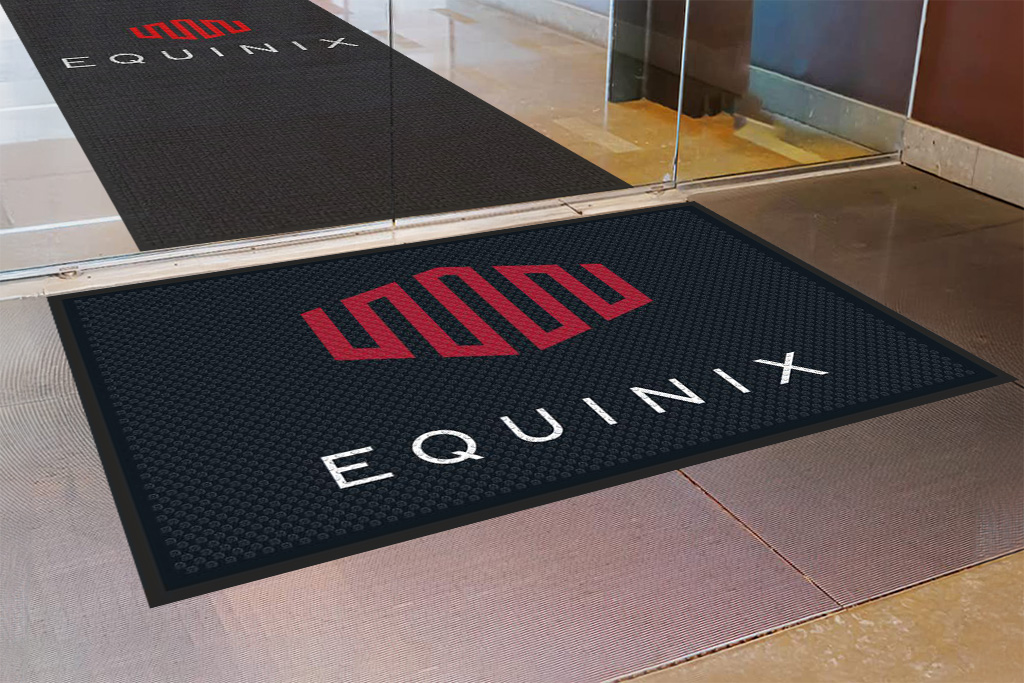
A matting system is a coordinated approach to floor mat placement. Instead of relying on just one mat, you use mats in different zones for different purposes.
A basic entry matting system usually looks like this:
- an outdoor mat placed outside the entrance
- an indoor mat placed just inside the door
Each mat has its own job.
An outdoor mat is designed to handle the elements. It helps scrape off dirt, mud, leaves, and debris from shoes before they are tracked inside. Outdoor mats are typically more rugged and built to stand up to weather and heavy foot traffic.
An indoor mat serves a different role. It continues to capture any remaining moisture or debris while also contributing to the appearance of the space. In many cases, the indoor mat is the presentation piece — the mat that welcomes guests, reinforces your brand, and creates a cohesive, professional look.
Together, these mats work as a system rather than standalone products.
Why a Matting System Matters
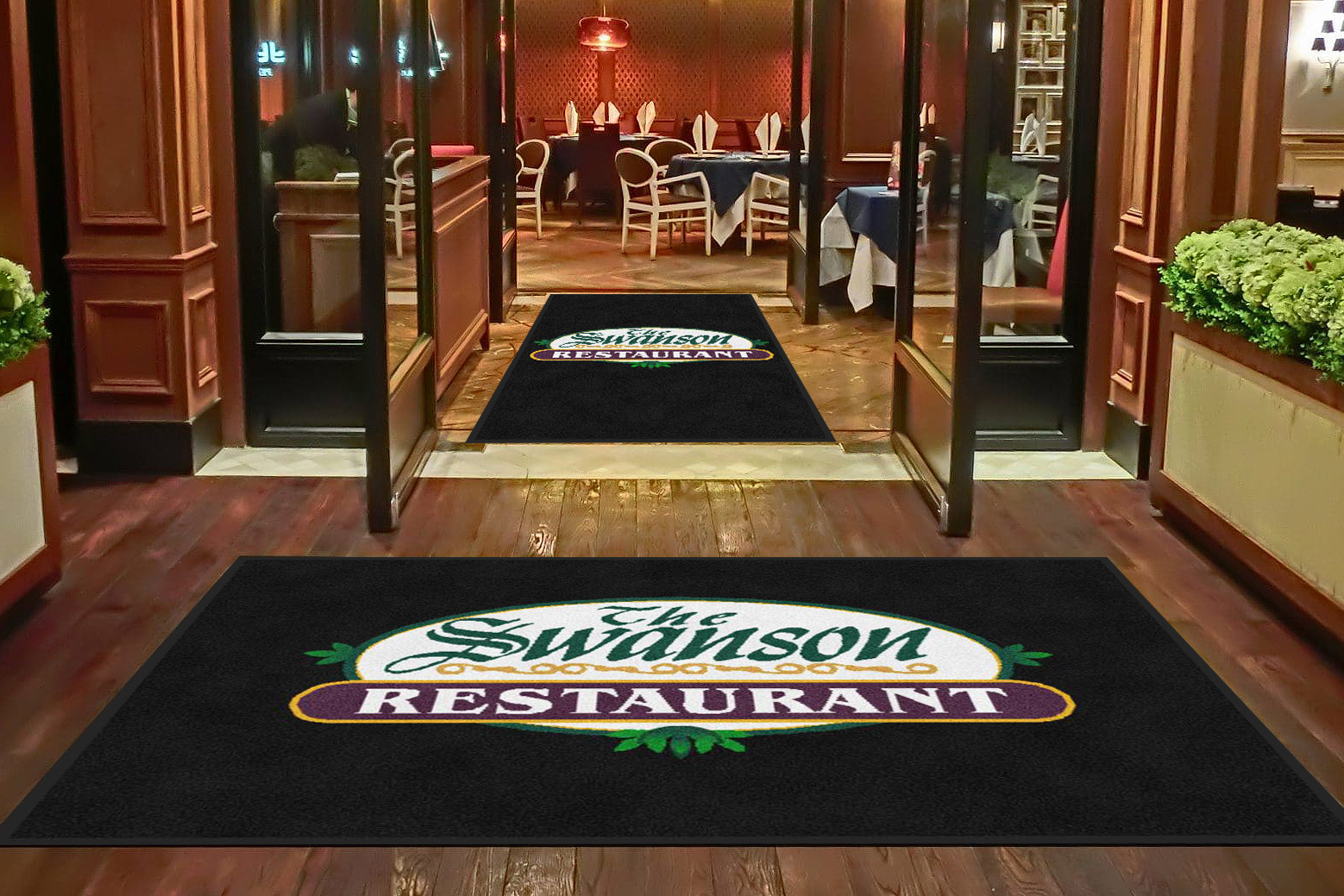
Using mats on both sides of the door gives you more protection and better performance than a single mat alone.
1. It helps reduce dirt and moisture at the source
The earlier you stop dirt and water, the better. Outdoor mats catch the bulk of the mess before it enters the building. Indoor mats then absorb moisture and collect what remains. This layered approach helps keep your facility cleaner from the start.
2. It can help indoor mats last longer
When you place an outdoor mat at the entrance, your indoor mat does not have to do all the work by itself. Less dirt and debris reach the inside mat, which can help it stay cleaner and maintain its appearance longer. That makes the entire system more effective over time.
3. It improves safety
Wet floors and tracked-in debris create slip and trip hazards. A matting system helps reduce those risks by managing moisture and improving traction in the areas where people enter, walk, and work.
4. It protects your floors
Flooring is expensive to repair and replace. Dirt and grit can act like sandpaper under foot traffic, slowly wearing down hard floors and finishes. Moisture can also damage certain flooring surfaces over time. A matting system helps protect that investment.
5. It creates a better first impression
A well-chosen indoor mat does more than absorb moisture. It can act as a visual anchor for your entryway, helping the space feel more finished and branded. For customer-facing businesses, that matters. The right indoor mat can add a welcome factor while tying your entrance into the rest of your space.
The Basic Formula: Outdoor Mat + Indoor Mat
The most common matting system starts with an outdoor mat and an indoor mat working together.
Outdoor mat
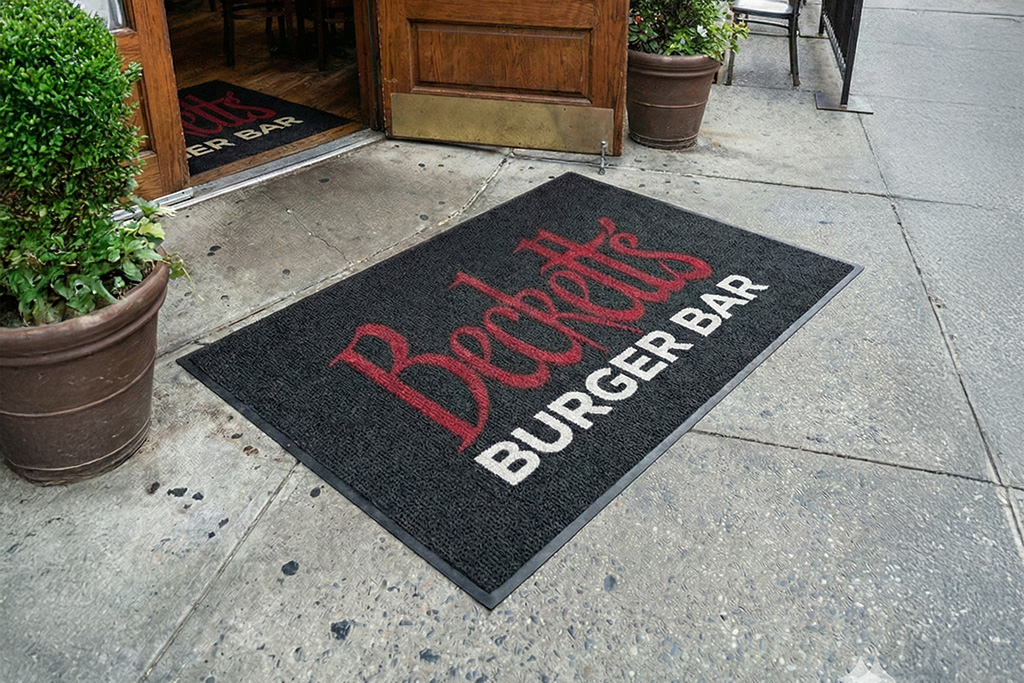
The outdoor mat is your first line of defense. Its job is to scrape shoes and remove larger debris before it gets inside. Outdoor mats are especially important for facilities that see lots of foot traffic or experience rain, mud, or seasonal weather.
Indoor mat
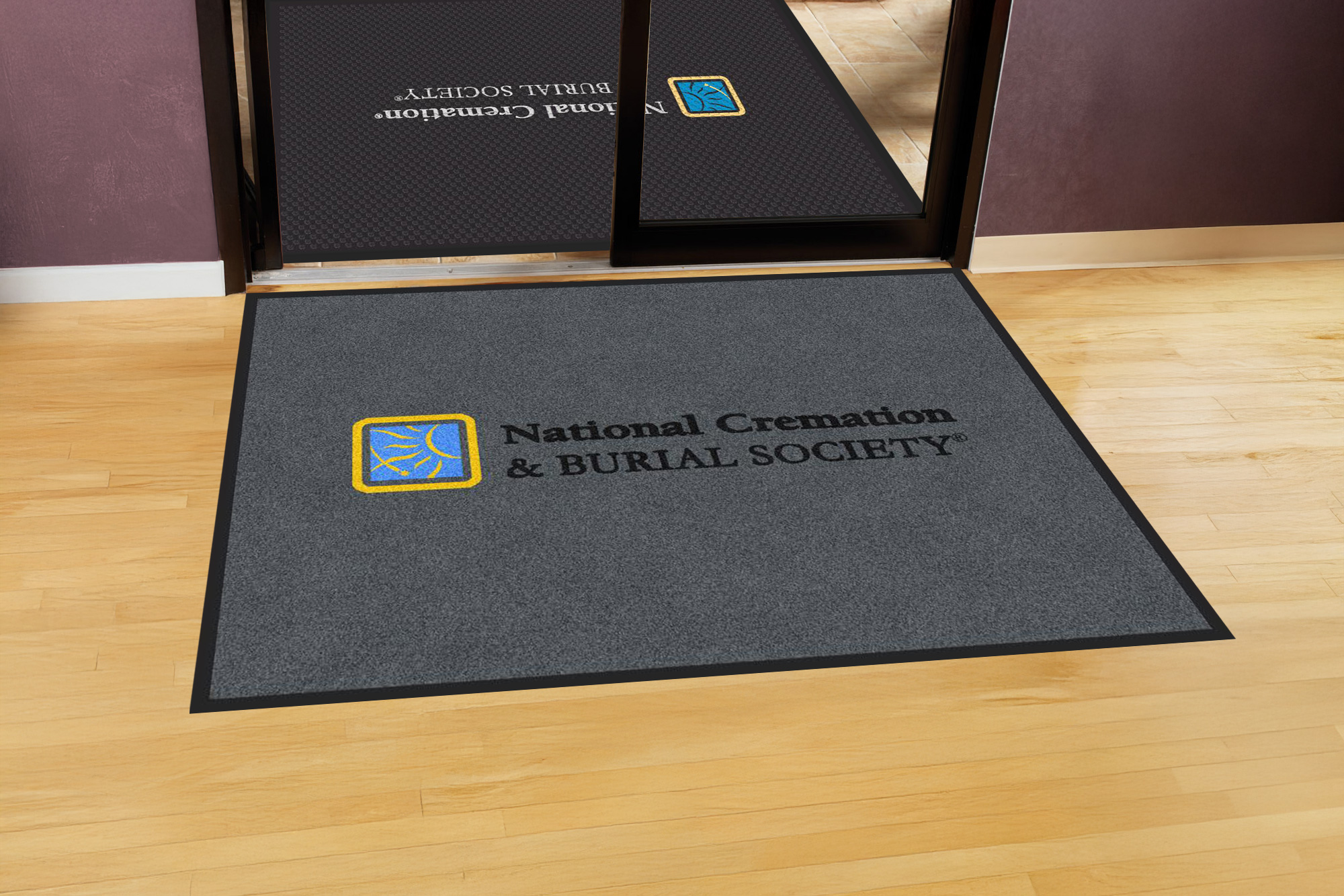
The indoor mat follows up by trapping moisture, finer dirt, and anything left behind. It also gives you the chance to elevate the appearance of the entrance with a custom logo, branded design, or high-definition print.
This simple two-mat setup works well for a wide range of businesses and organizations because it is easy to implement and highly effective.
Popular Mat Combinations
Not every matting system has to look the same. The best setup depends on your entrance, your traffic levels, and how you use your space. Here are a few combinations that work especially well.
1. LogoTread™ Custom Rubber Outdoor Entry Mat + UltraPrint™ High-definition Entrance Logo Doormats
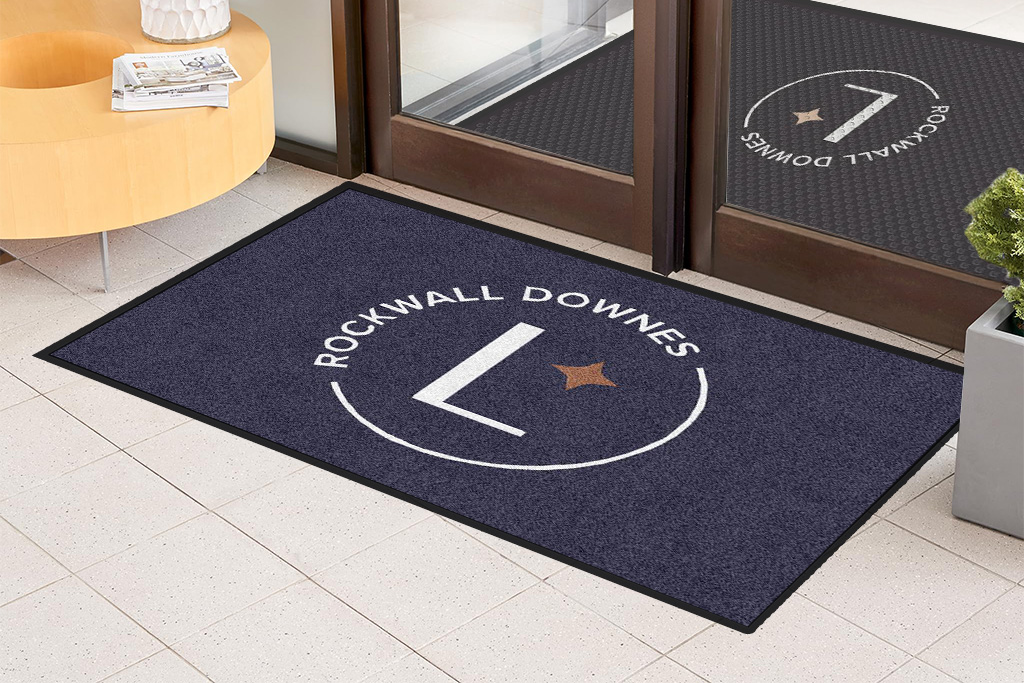
This is a strong pairing for businesses that want function and branding.
The LogoTread™ Custom Rubber Outdoor Entry Mat provides durability and outdoor scraping performance, helping to remove dirt and debris before guests enter. Paired with an UltraPrint™ High-definition Entrance Logo Doormat inside, you get the practical benefits of a matting system along with a bold, polished presentation piece.
This combination is ideal for businesses that want their entrance to feel clean, coordinated, and on-brand from the first step.
2. WaterHog UltraPrint™ Water-Absorbing Logo Mat + Custom Shape UltraPrint™ High-definition Logo Mats
This pairing works well when you want strong moisture control and a more customized visual experience indoors.
The WaterHog UltraPrint™ Water-Absorbing Logo Mat helps manage water and moisture in high-traffic areas, while a Custom Shape UltraPrint™ High-definition Logo Mat can add a unique branded element that stands out in lobbies, reception areas, or customer-facing spaces.
This is a great option for facilities that want performance but also want to make more of a design statement.
Unique Matting System Combinations to Consider
A matting system can go beyond just one mat outside and one inside. Depending on the space, you may want to combine entry mats, runners, and anti-fatigue mats for a more complete solution.
WaterHog runners + welcome mats
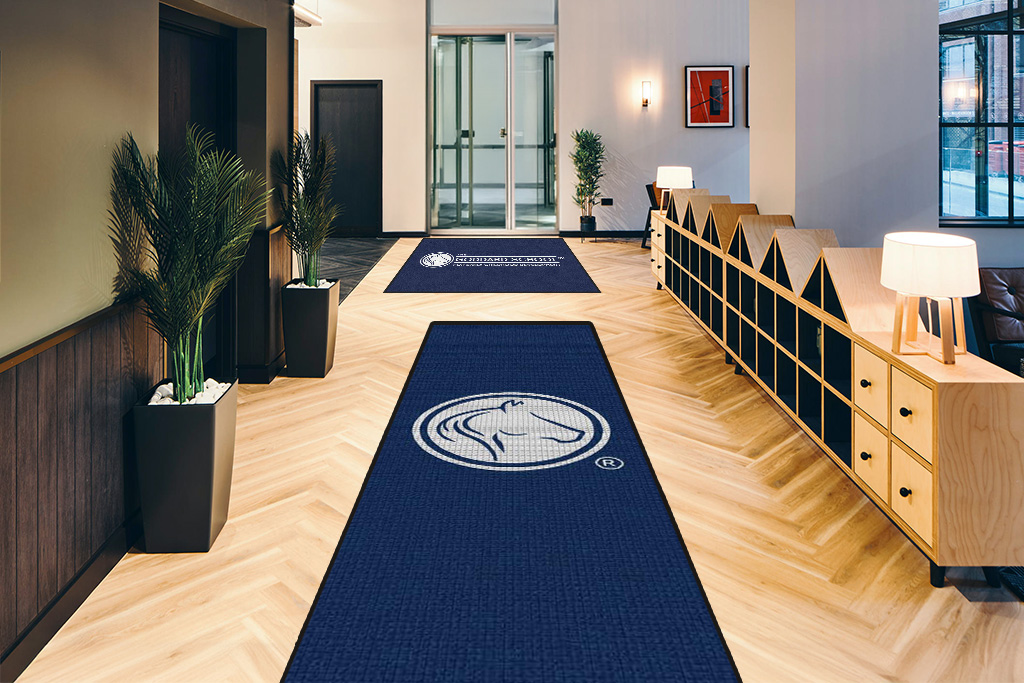
For longer entrance paths or hallways, a water-absorbing runner can help continue moisture control beyond the doorway. Paired with a welcome mat or logo mat near the entry, this combination adds both functionality and style.
This works especially well in schools, churches, and public-facing facilities where visitors move from entry into larger common areas.
Outdoor entry mats + indoor runners
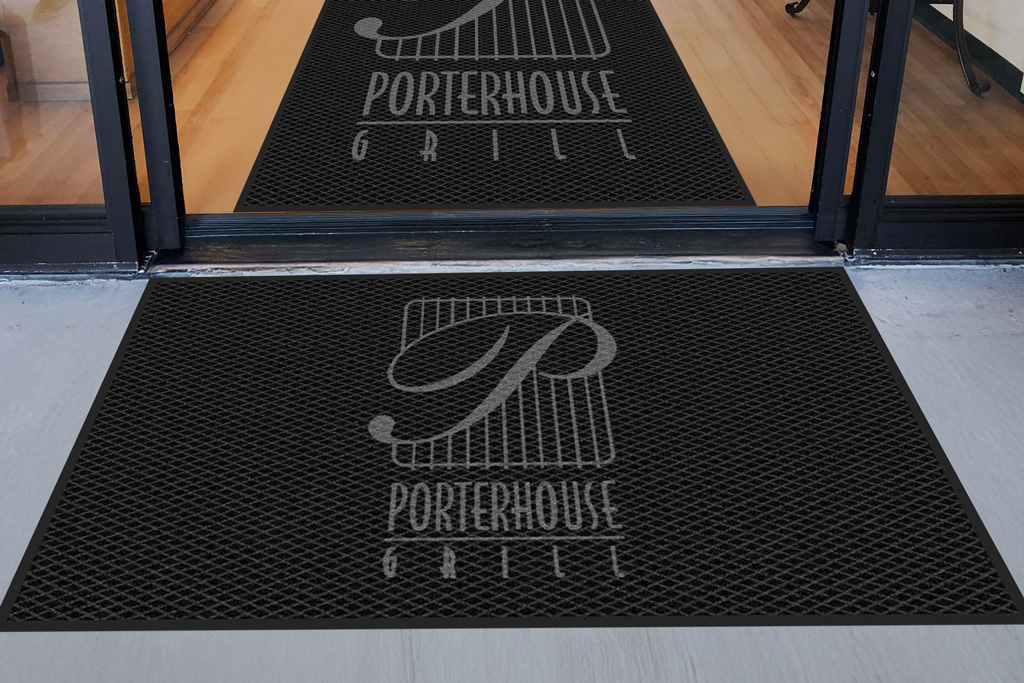
In high-traffic buildings, an outdoor scraper mat followed by a longer indoor runner gives visitors more surface area to wipe their feet and helps contain dirt and water over a longer path.
This is often a smart setup for educational facilities, community buildings, and large commercial entrances.
Door mats + anti-fatigue mats in warehouses
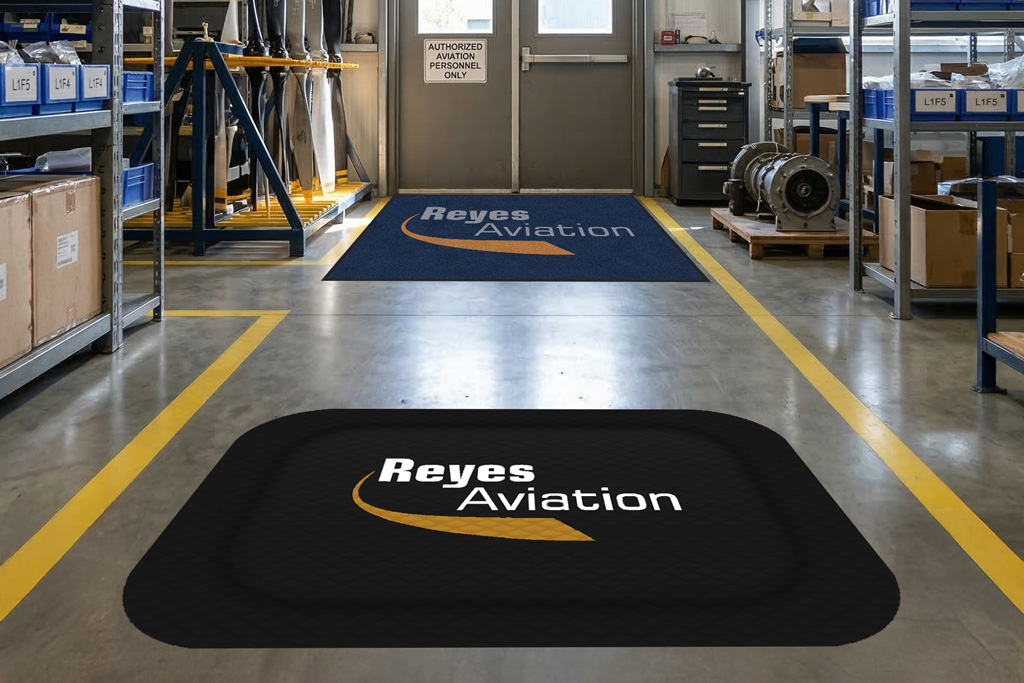
In industrial or warehouse settings, the needs of the front entry and the work floor are not the same. A matting system here might include a door mat at the main entrance to control debris and moisture, plus anti-fatigue mats at workstations where employees stand for long periods.
This creates a broader matting strategy that supports both cleanliness and worker comfort.
Entrance mats + anti-fatigue mats in food and beverage spaces
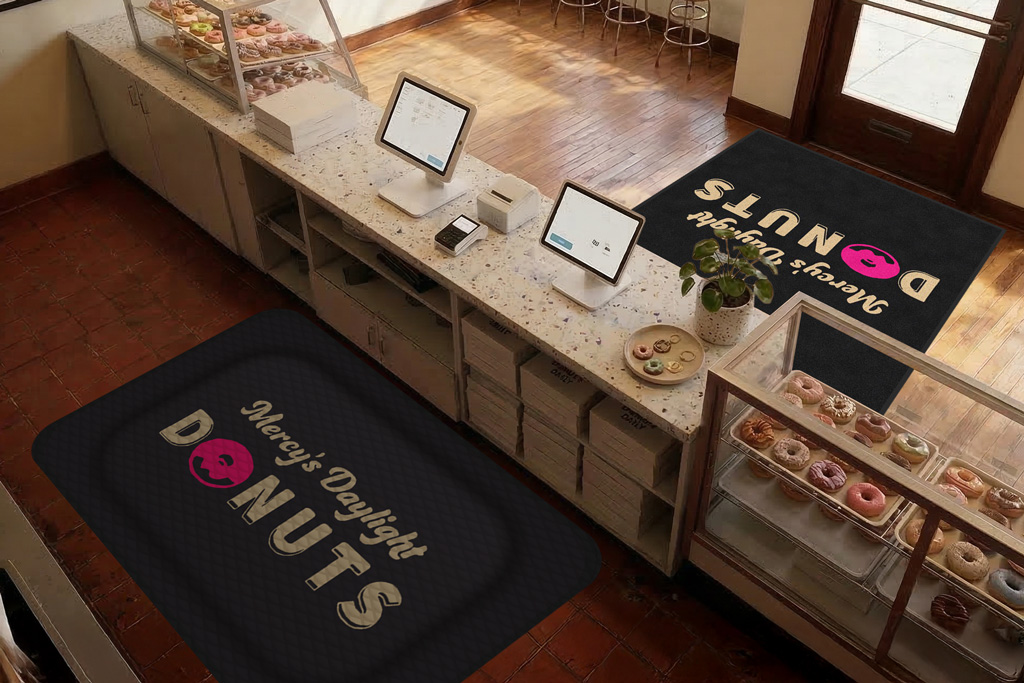
For food and beverage businesses, the front-of-house and back-of-house often require different solutions. A strong entry matting system can keep the customer entrance cleaner and safer, while anti-fatigue mats behind counters, prep stations, or service areas can support employees throughout the workday.
When used together, these mats improve both presentation and day-to-day functionality.
Industry-Specific Examples
Different industries benefit from matting systems in different ways. Here are a few examples worth featuring.
Churches
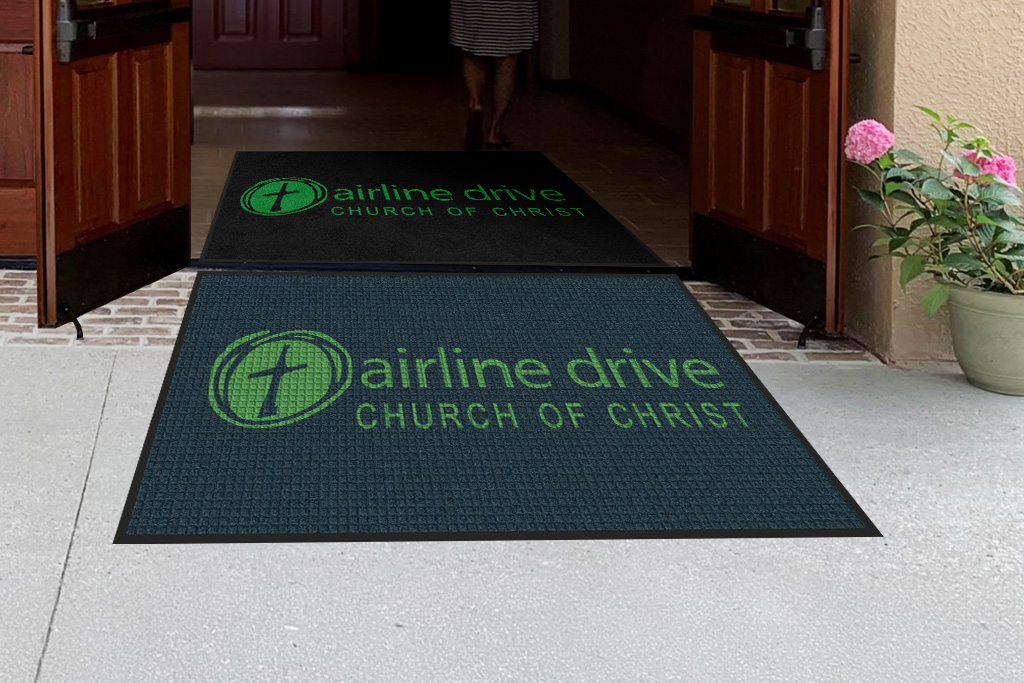
Churches often welcome large groups of people in a short period of time, especially before and after services. An outdoor entry mat helps reduce debris at the door, while an indoor logo mat or welcome mat helps create a warm, inviting first impression in the lobby or narthex.
A runner may also be useful in longer entry corridors or gathering areas.
Food and beverage
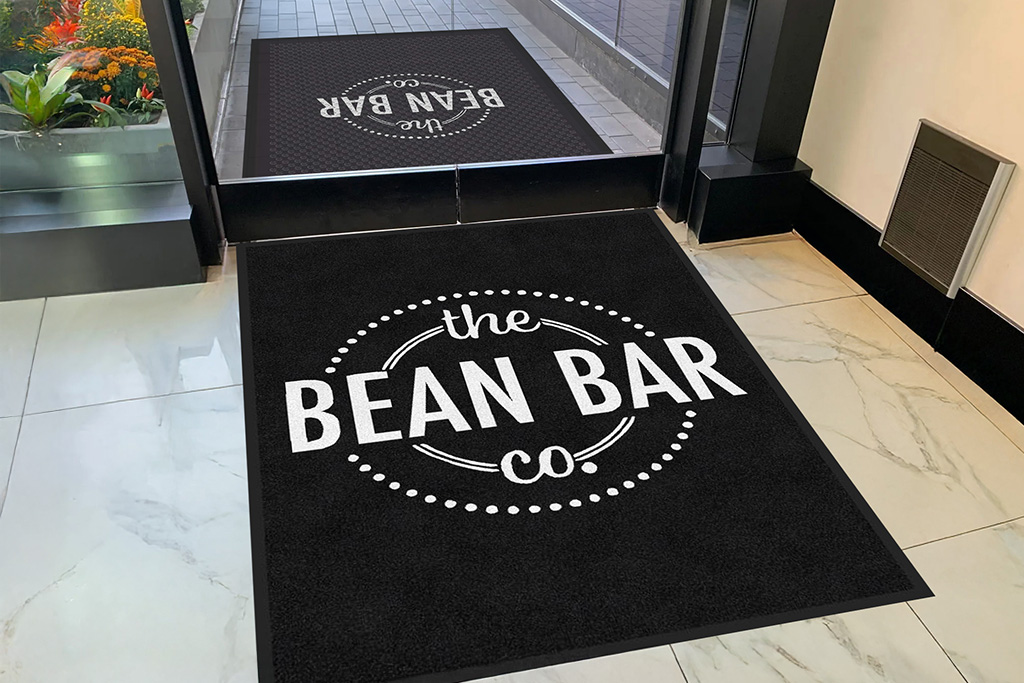
Restaurants, cafes, breweries, tasting rooms, and other food and beverage businesses need a mix of appearance, safety, and performance. A matting system can start with an outdoor scraper mat and a water-absorbing indoor mat at the entrance, then extend to anti-fatigue mats in employee work areas.
This helps maintain a cleaner entrance while supporting staff in spaces where they stand for long hours.
Educational facilities
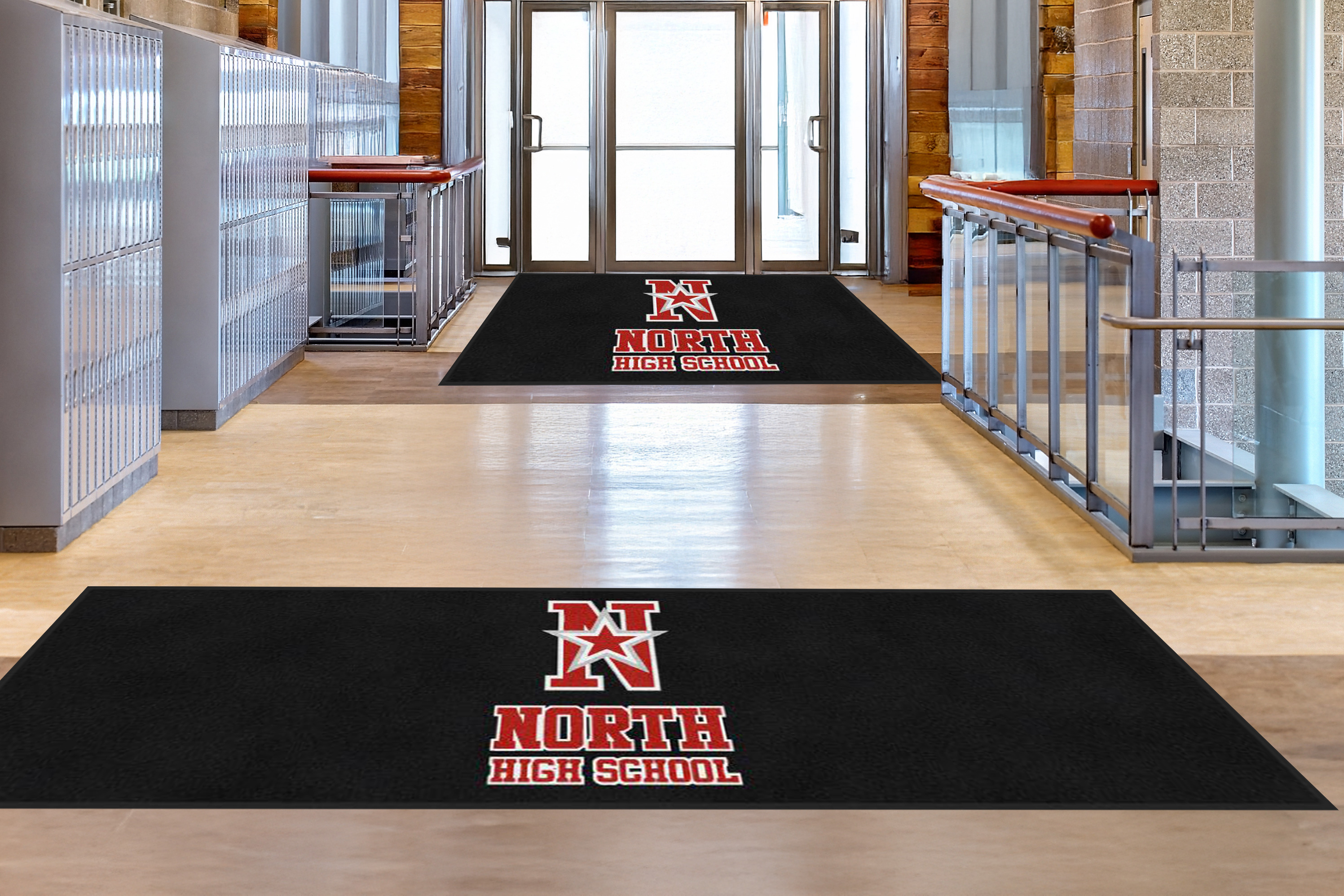
Schools and campus buildings experience heavy foot traffic and often deal with water, mud, and debris being tracked indoors. An outdoor mat paired with an indoor runner or absorbent logo mat can help protect floors and reduce maintenance demands.
These systems are especially useful in main entrances, administrative offices, and common areas.
Warehouses and industrial facilities
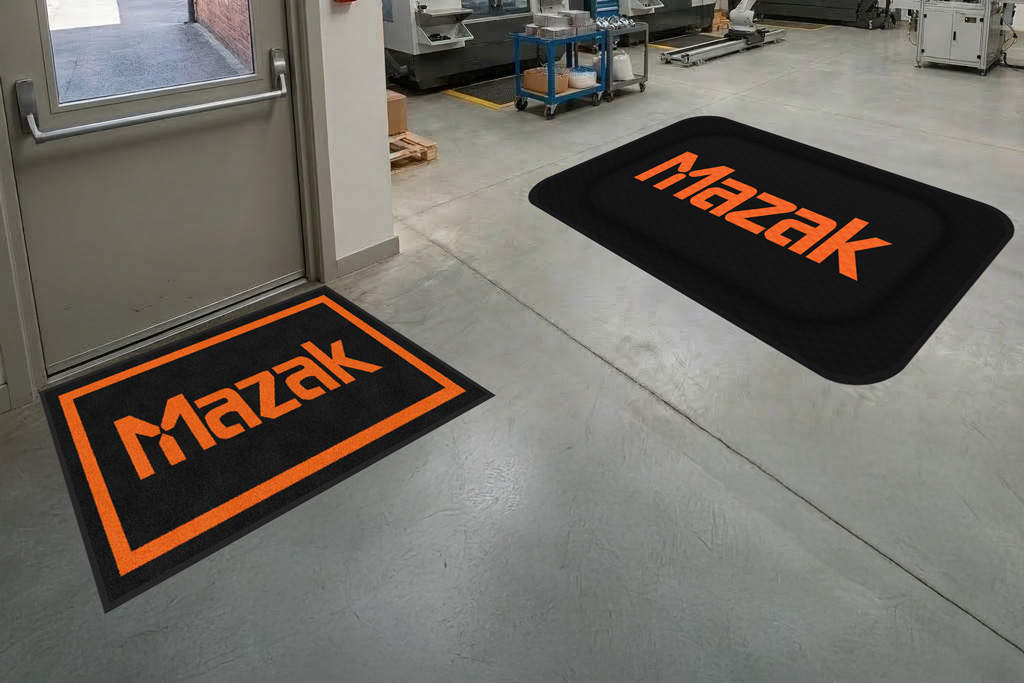
For warehouses and industrial environments, matting systems can support both cleanliness and comfort. Entry mats help manage dirt and moisture at access points, while anti-fatigue mats improve standing comfort in production zones, shipping areas, and workstations.
The result is a more complete approach to floor safety and functionality.
How to Choose the Right Matting System
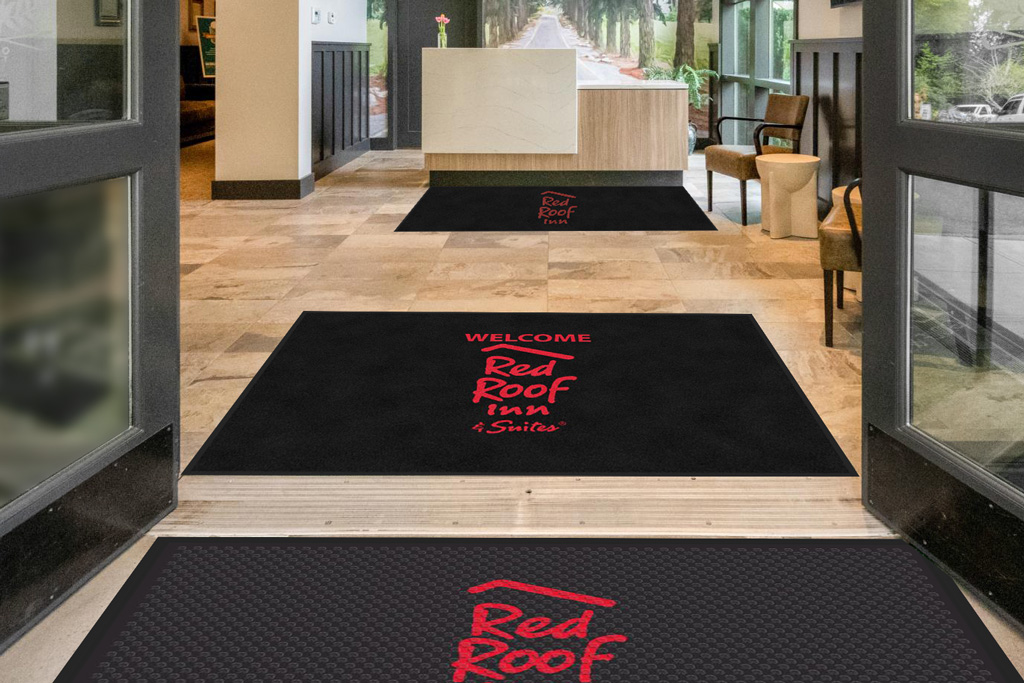
The best matting system depends on your space and how it is used. Start by thinking through a few key questions:
- How much foot traffic do you get each day?
- Do you deal with rain, mud, snow, or heavy debris at the entrance?
- Is your indoor mat primarily functional, decorative, or both?
- Do you need to extend your matting strategy into hallways, service counters, or workstations?
- Would a custom logo or branded design improve the look of your entrance?
Once you know the answers, it becomes much easier to pair the right outdoor, indoor, and specialty mats together.
Need additional assistance? Our team is here to help design the perfect matting system for your space.
A Better Entrance Starts with a Better System
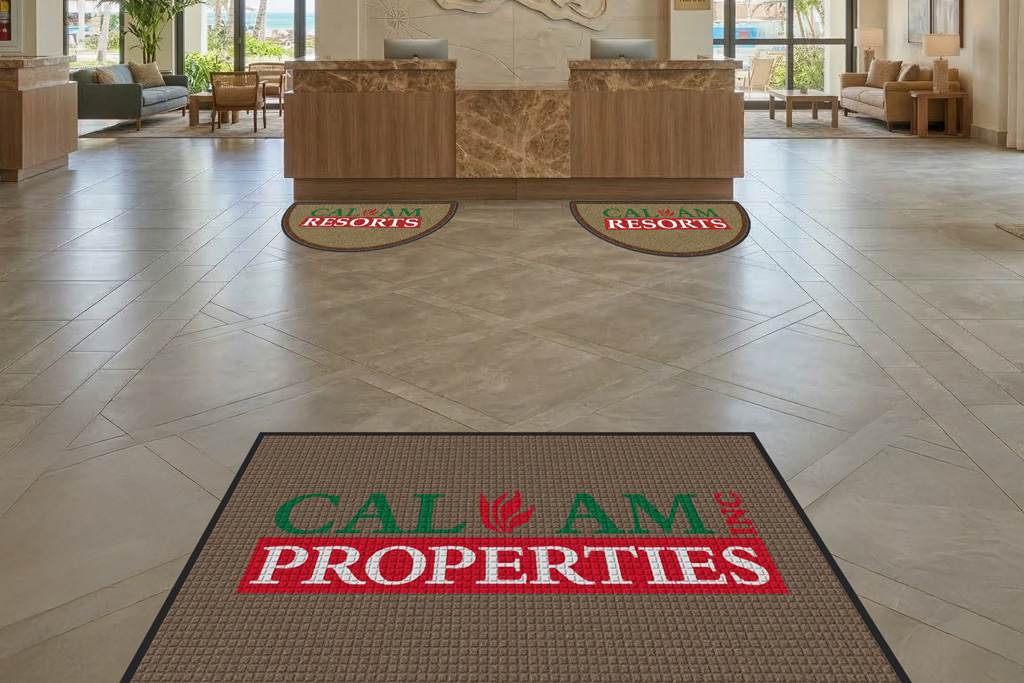
A matting system is not just about putting down more mats. It is about using the right mats in the right places, so they work together to keep your facility cleaner, safer, and more visually cohesive.
At a minimum, that means using an outdoor mat to remove debris before it enters the building and an indoor mat to absorb moisture while enhancing the look of the space. From there, you can build out your system with runners, welcome mats, logo mats, and anti-fatigue mats depending on your needs.
Whether you manage a church, school, restaurant, warehouse, or commercial facility, a well-planned matting system can make a noticeable difference in both performance and presentation.
If you are looking for a smarter way to protect your floors and upgrade your entrance, a matting system is a great place to start. Create your own matting system.
